
GTM Use Cases and Technical Implemention Plan for Magenta AI Phone in 3 weeks.
Translated an open-ended AI phone concept into three concrete use cases using strategic foresight tools and qualitative research
AI Product innovation
Research Design
AI & Technology
Strategic Foresight
ROLE
Innovation
Research & Strategy
INDUSTRY
Consumer Technology & Telecommunications
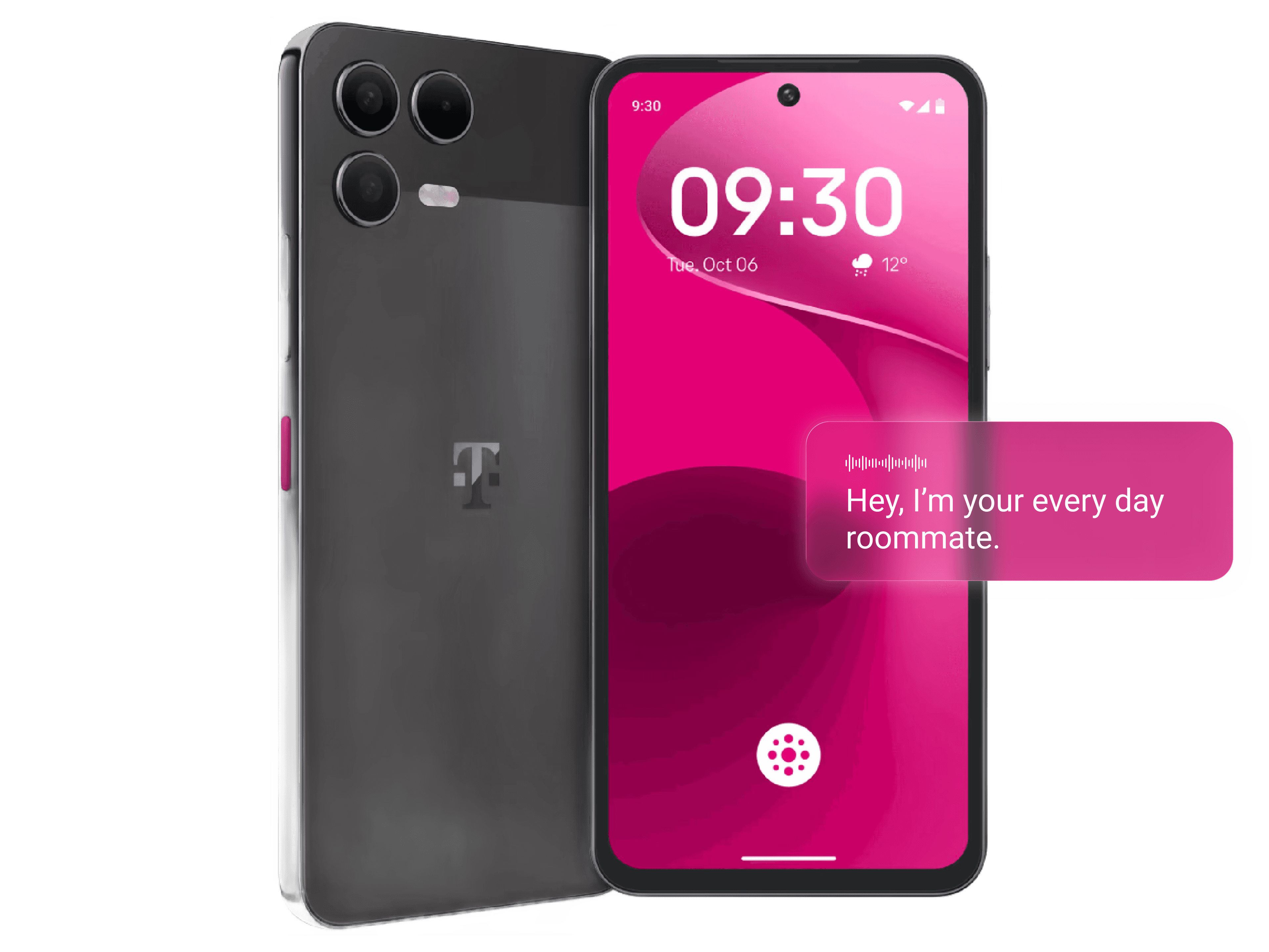
We helped Deutsche Telekom uncover three actionable, human-centered GTM use cases for their upcoming AI phone, a radical device with no apps, only voice and AI-driven interaction.
Deutsche telekom was struggling with…
building a broader ambition to shift perception from a telecom provider to an innovation leader.

impact
Long story short…
Acting as Deutsche Telekom’s in-house innovation team, we explored what a radically new, AI-first phone could mean for people across generations, beyond apps, screens, and convenience. Our central question was what it means to live with AI in everyday life.
We combined market and product research, societal and technological trend scanning, design-led foresight frameworks, well-being benchmarking, and cross-generational interviews to reframe AI from a productivity tool into a companion shaping time, learning, connection, and agency.
The work resulted in future-oriented, human-centered GTM use case directions, along with a technical implementation roadmap for an AI-first phone, grounded in lived behaviors and long-term well-being rather than short-term feature innovation.

…we reframed the ask from "finding promising use cases for the AI phone" to
What does it mean to live a good life with AI across different generations, needs, and cultures?
Market Research & Reports
How are people already using technology, and what challenges do they face?
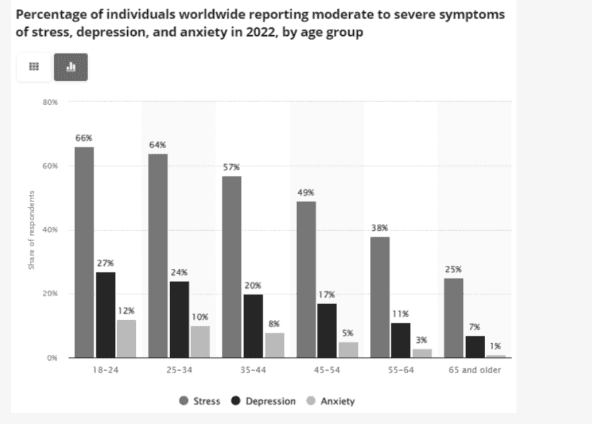
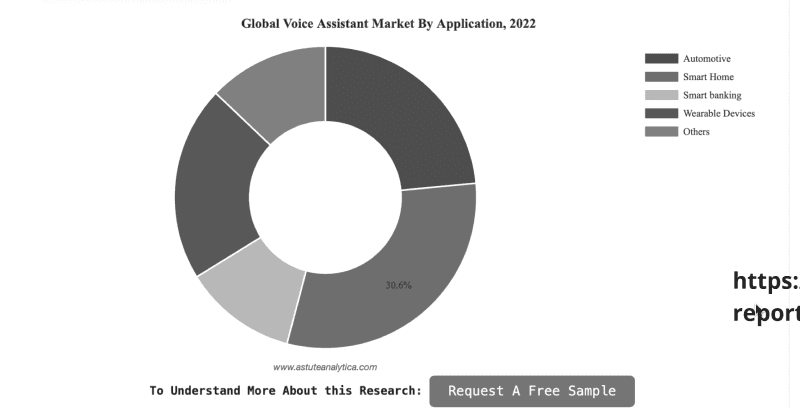
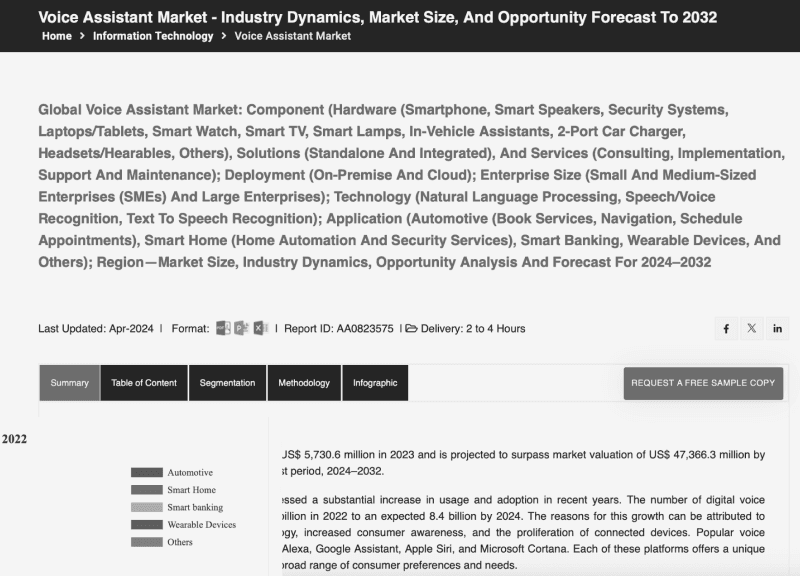
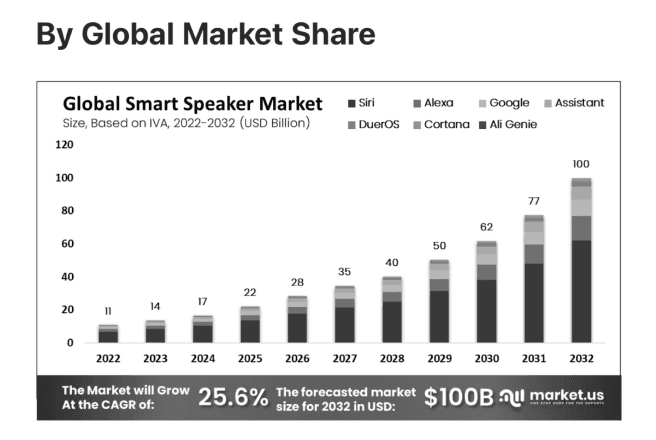

Voice as the next interface across generations
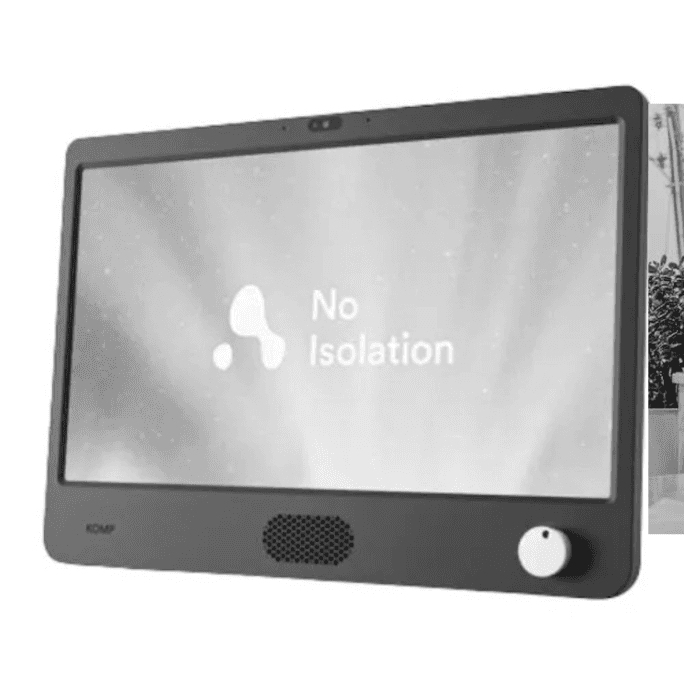
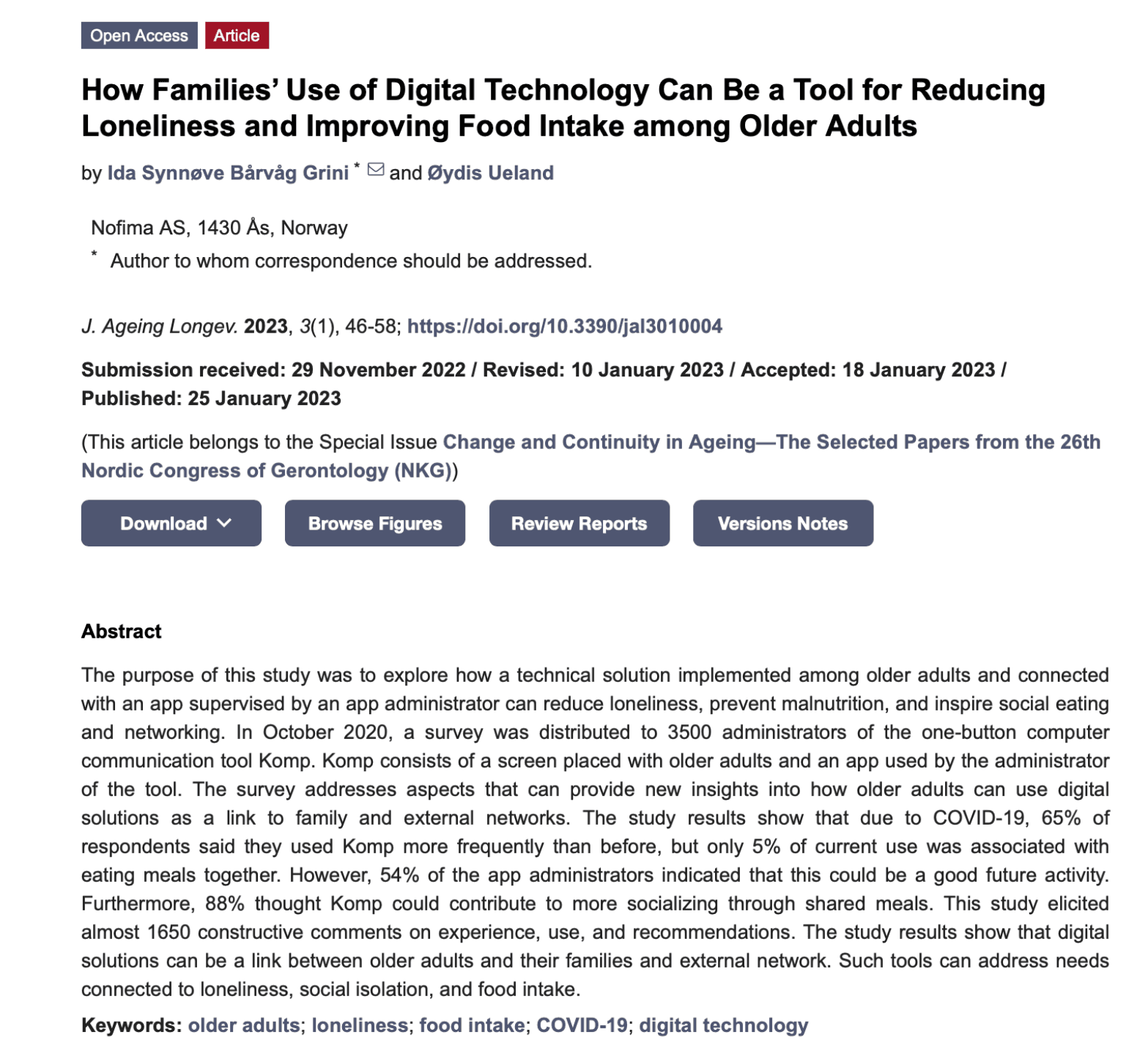
Technology for aging populations is scaling fast
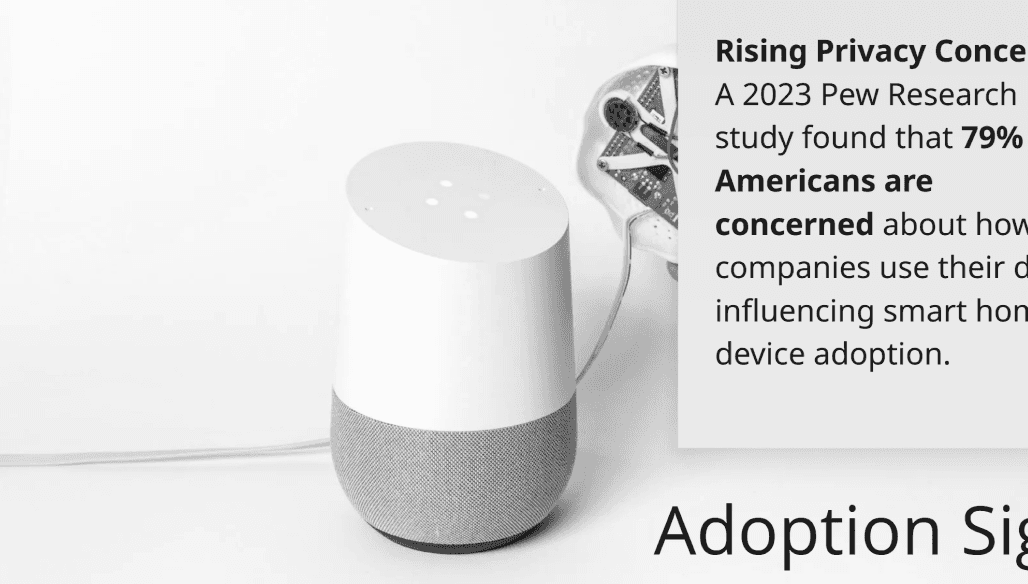
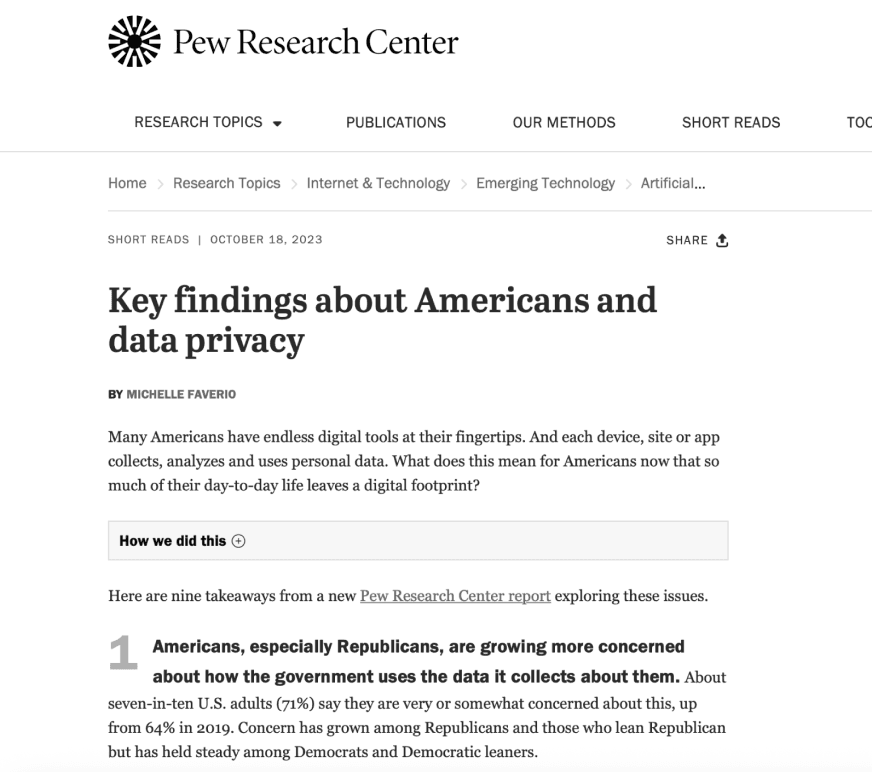
Rising concerns about privacy and data transparency
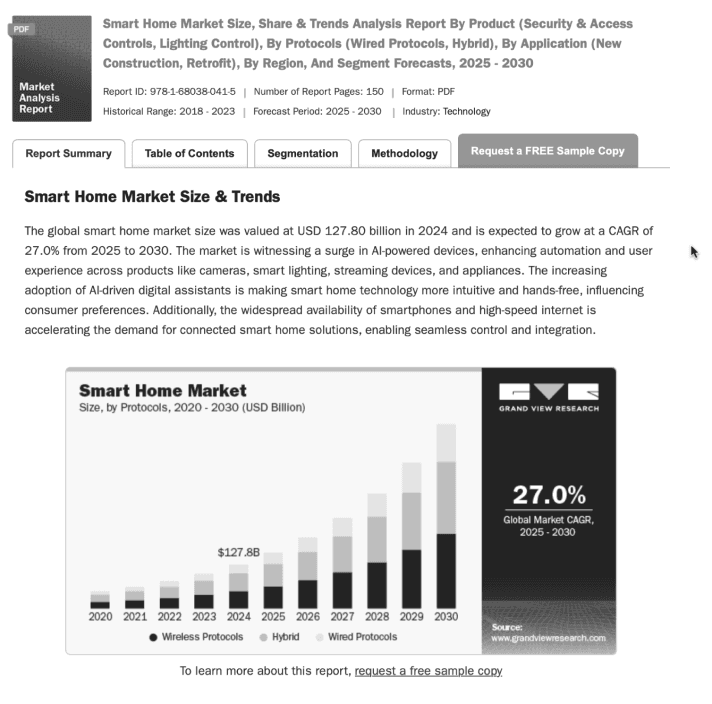
Smart home ecosystems & AI companions are expanding
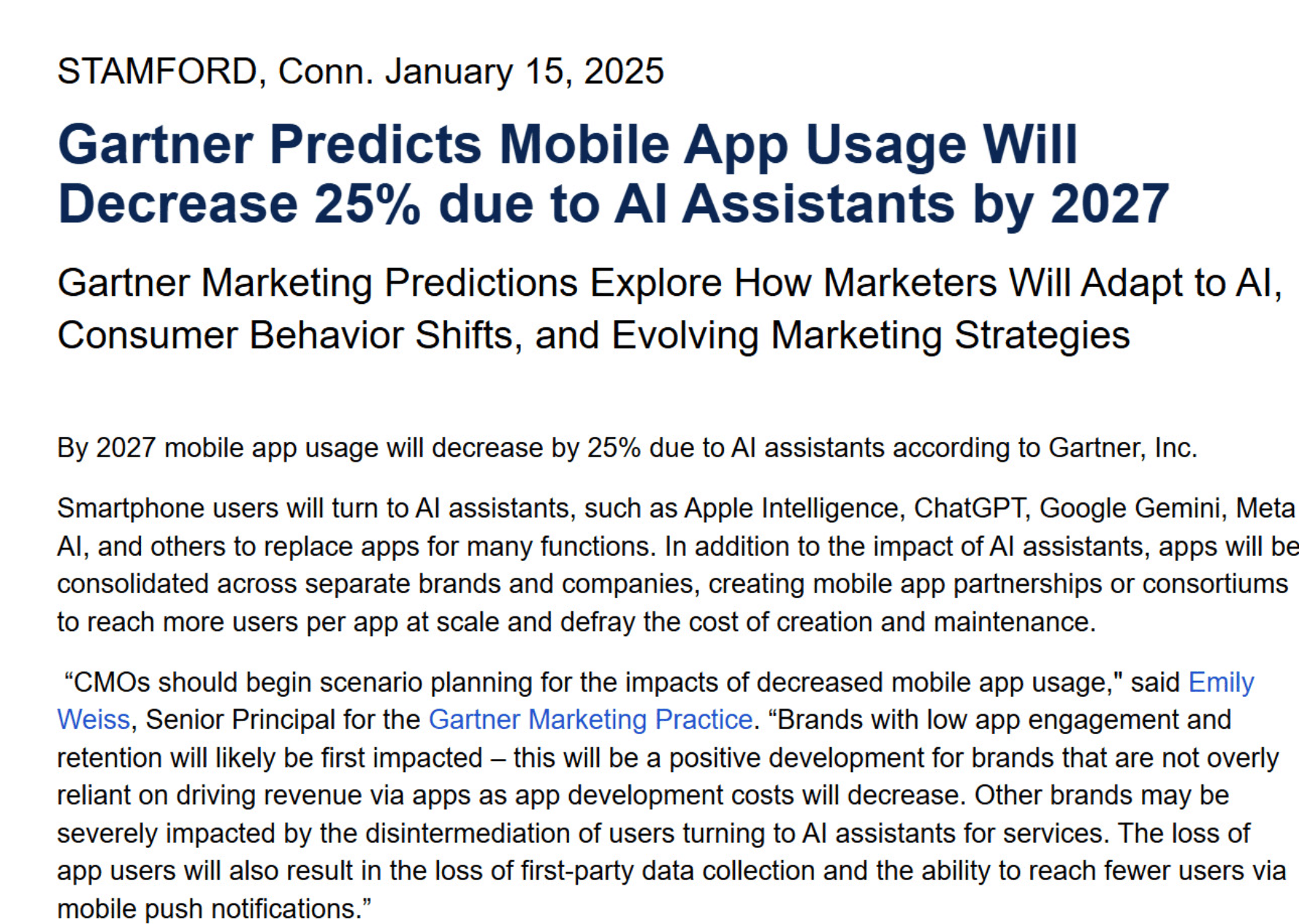
AI assistants will reduce reliance on apps
This pushed us to move beyond feature-driven thinking and instead ask: what really matters to people when they use technology in their daily life? It led us to prioritize cross-generational interviews and focus our questions on themes of time, meaning, and connection rather than convenience.
Trends & Signals
Shifting lenses from today to tomorrow: looking beyond today's signals to explore broader technological and societal shifts
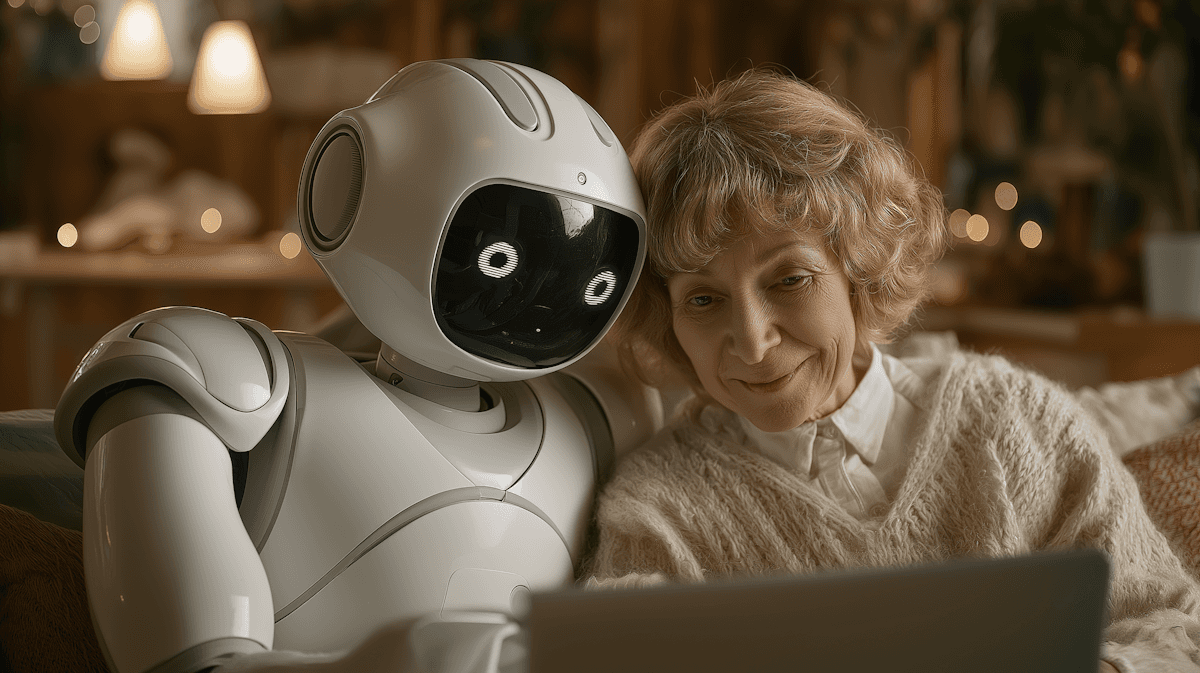
Aging populations
…highlighted that solutions shouldn’t just target digital natives but also help older generations stay connected and valued.

The rise of a knowledge culture
…suggested that people increasingly want to co-create knowledge, not just consume it, making intergenerational exchange a key opportunity.

Signals from crisis learning contexts
…such as homeschooling during the pandemic or refugee education gaps , revealed how fragile and inequitable access to learning can be.

Digital distraction and doomscrolling
…stood out as growing concerns, especially for younger generations, where attention and resilience were at risk.
design-led foresight
How might emerging human-AI relationships be emotionally experienced, and what human needs should remain constant?
Tools used - Poet’s Intuition, Weak Signals, and Roots, drawing from culture, media, technology, and enduring human behaviors.







Poet’s Intuition
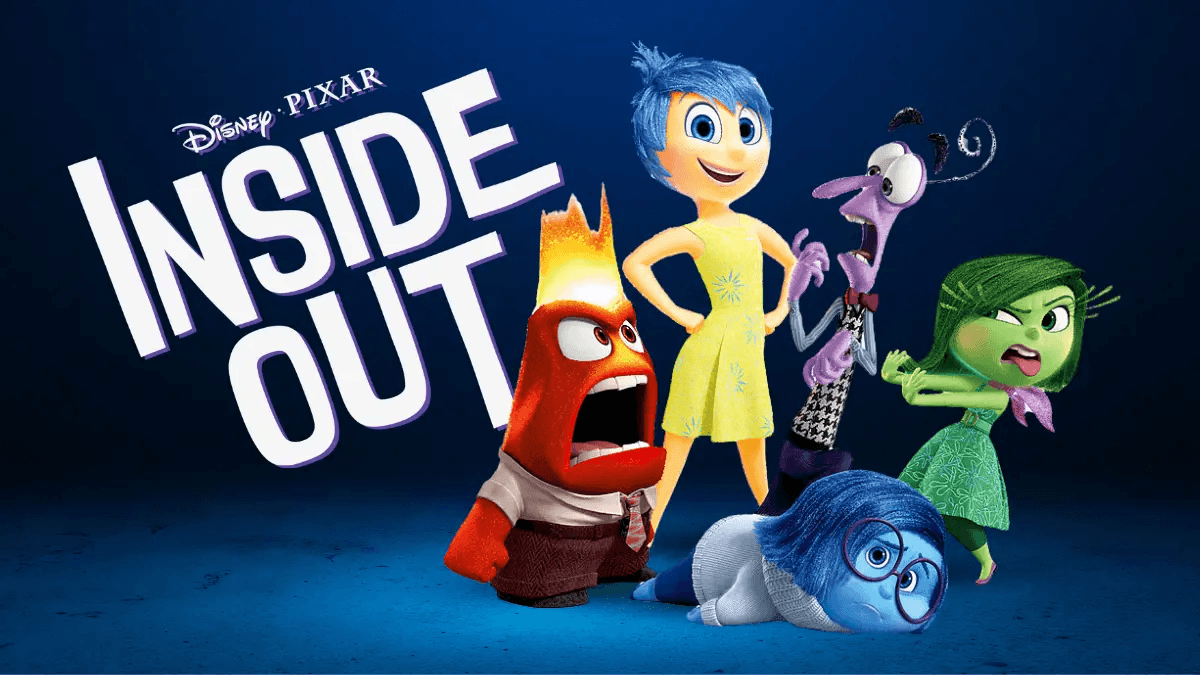
We turned to films, series, and cultural artifacts as “windows into the future.” Works like Her and Ex Machina showed both intimacy and risk in human-AI relationships, while Inside Out reminded us that emotional literacy is as critical as cognitive learning.
Black Mirror pushed us to question the darker trajectories of dependency, while Big Hero 6 illustrated AI as a caring companion. These narratives inspired us to design use cases where AI could support, not replace emotional connection and learning.
Weak Signals
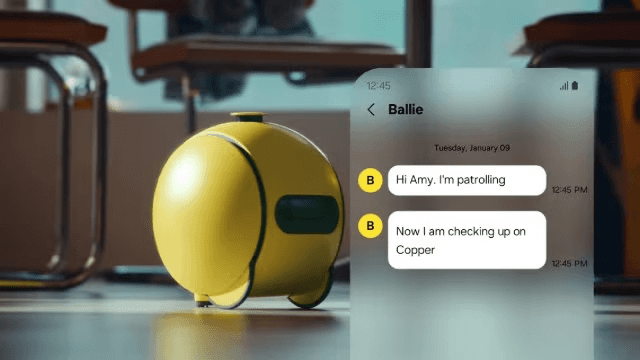
Scanning early signals of change, we noted experiments such as Samsung’s Ballie and Cozmo by Anki, which showed AI moving from tools to companions in the home. We also tracked adoption signals in smart devices, the rise of conversational AI, and societal pressures like increasing burnout.
These hinted at a future where people expect AI to be ambient, emotionally tuned, and supportive in everyday life, especially across generations.
Roots
Finally, we grounded our exploration in enduring human constants: the need for connection, storytelling, memory, and trust.
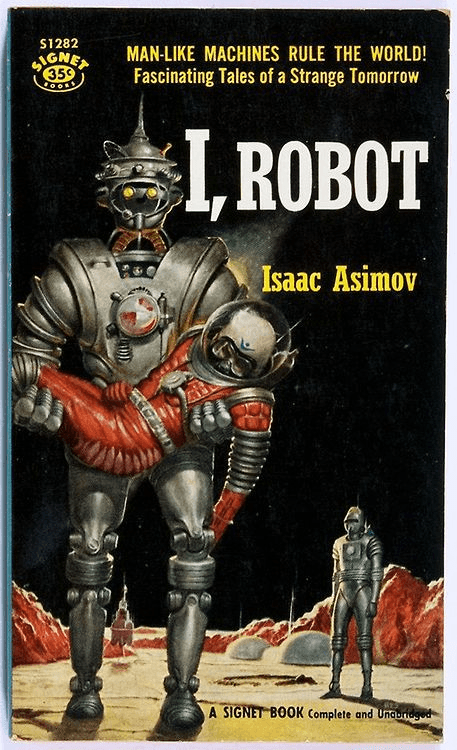
Here, inspirations like I, Robot and Humans of New York reminded us that every technological leap must return to universal human drivers, autonomy, dignity, and emotional resilience. By framing AI around these roots, we could avoid designing fleeting novelties and instead craft futures that feel both meaningful and sustainable.
Benchmarking Well-Being & Spotting the Gaps
Across market research, trend scanning, and foresight exploration, recurring concerns around time, well-being, and connection began to surface.
This led us to examine global well-being indexes, where we identified key blind spots that are highly relevant, but largely unmeasured in digital economies.
Attention
Fragmentation
Doomscrolling and micro-learning created shallow engagement, especially in pre-teens.
Learning
in Crisis
From homeschooling to refugee adaptation, many lacked support systems during disruption.
Time
Poverty
A proven drag on well-being, leaving people with less energy for purposeful activities.
Primary Research
Our research pointed to a shift in how people relate to technology, from convenience to connection and learning.
We designed and led generationally tailored interviews with pre-teens, parents, and elderly participants.
Our questions probed into:
Daily routines and sources of joy or stress.
How they learn new things or maintain existing skills.
Where they feel technology supports them — and where it creates friction.
Their aspirations for connection, independence, and growth.
83%
all interviewees
(10/12) emphasized the importance of maintaining meaningful human connection with their family and friends.
50%
all interviewees
(6/12) mentioned that they believe AI could have a role in preserving memories and stories from the past.
100%
pre-teens
(6/6) said they actively use AI or digital tools for learning, but often feel overwhelmed or distracted by them.
80%
elderly participants
(4/5) showed little interest in adopting new technologies unless they help them stay connected or feel useful.
66%
elderly participants
(2/3) said they use technology mainly to connect with family, not for self-use.
50%
pre-teens
(3/6) mentioned they would prefer a learning companion that behaves like a friend, not a teacher.
parents
67%
(2/3) said they often lacked time for emotionally meaningful interactions with their children during the week.
75%
parents and elderly
(6/8) expressed concern over children becoming too dependent on their phones for learning or emotional support.
Opportunity areas that emerged
Tech Fatigue
Overstimulation and overwhelm from digital tools.
Respectful Boundaries
Need for control without surveillance.
Emotional Disconnect
Gaps in intergenerational emotional exchange.
Memory Transfer
Desire for emotionally rich, reflective tech experiences.
Meaning-Seeking
Desire for emotionally rich, reflective tech experiences.
Gtm use cases
Bridging the multigenerational divide through Innovation.
From our research, we realized that technology often overlooks the most human aspects of life , connection, emotional well-being, and the exchange of knowledge across generations.
To bridge this gap, we designed three interconnected use cases that reimagine how AI can become an enabler of human connection.
Each use case reflects a different entry point into family life, emotional support, and heritage preservation. yet together, they form a holistic system where AI helps strengthen relationships and make everyday interactions more meaningful.
Connection OS
An emotionally intelligent layer that turns raw voice inputs into supportive actions like reminders, rituals, and nudges helping tim poor parents maintain meaningful family connections. It reduces emotional fatigue by analyzing tone, detecting stress, and recommending simple, human-centered ways to connect.
Heritage Capsule
A living digital archive that allows grandparents to preserve and share memories, recipes, and stories through AI-guided prompts. It transforms heritage into interactive family rituals, ensuring cultural knowledge and identity are valued and co-created across generations.
Story Companion
An AI companion that turns grandparents’ stories into engaging, age-appropriate formats such as comics, games, or interactive prompts. It encourages curiosity, helps children interpret emotional content, and creates fun entry points for bonding with older generations.
KEY METRICS
Connection OS
Nudge Action Rate
did users act on the recommendation or dismiss it?
Stress Detection to Behaviour Change Rate
did detecting stress lead to a different action?
Heritage Capsule
Prompt Completion Rate
Measures whether the AI-guided prompts are accessible enough for a less tech-native audience.
Return Visits Per Family
did people come back? Measures whether the archive has lasting emotional value.
Story Companion
Story Format Completion Rate
did children finish the generated content? Measures age-appropriate relevance and engagement quality.
Format Preference Split
which output (comic, game, prompt) drove the most re-engagement? Informs which formats to prioritise in product development.
IMPACT
The Magenta AI Phone launched in October 2025. We delivered three validated, human-centered GTM use cases and an implementation roadmap for Deutsche Telekom's cross-functional innovation team in under three weeks, directly impacting their product development and innovation output.