Enhancing Banco Alimentare's food raising strategy
The impact? Digiscape's evolved EUEM too streamlined device data, reduced guesswork, and enabled IT teams to diagnose and prevent issues more efficiently, improving overall productivity and user experience.
Challenge
IT teams struggled with fragmented device data, slow troubleshooting, and reactive issue resolution, leading to inefficiencies and delayed responses to critical failures.
Process
Identified key pain points for service desk engineers and system administrators, reframed the problem around data consolidation, decision-making, and compliance flexibility, and designed a more proactive and intuitive monitoring system.
ROLE
UX Designer
INDUSTRY
Creative & Design Services
Timeline
Dec '21 - May '23
Timeline
Dec '21 - May '23
Timeline
Dec '21 - May '23
overview
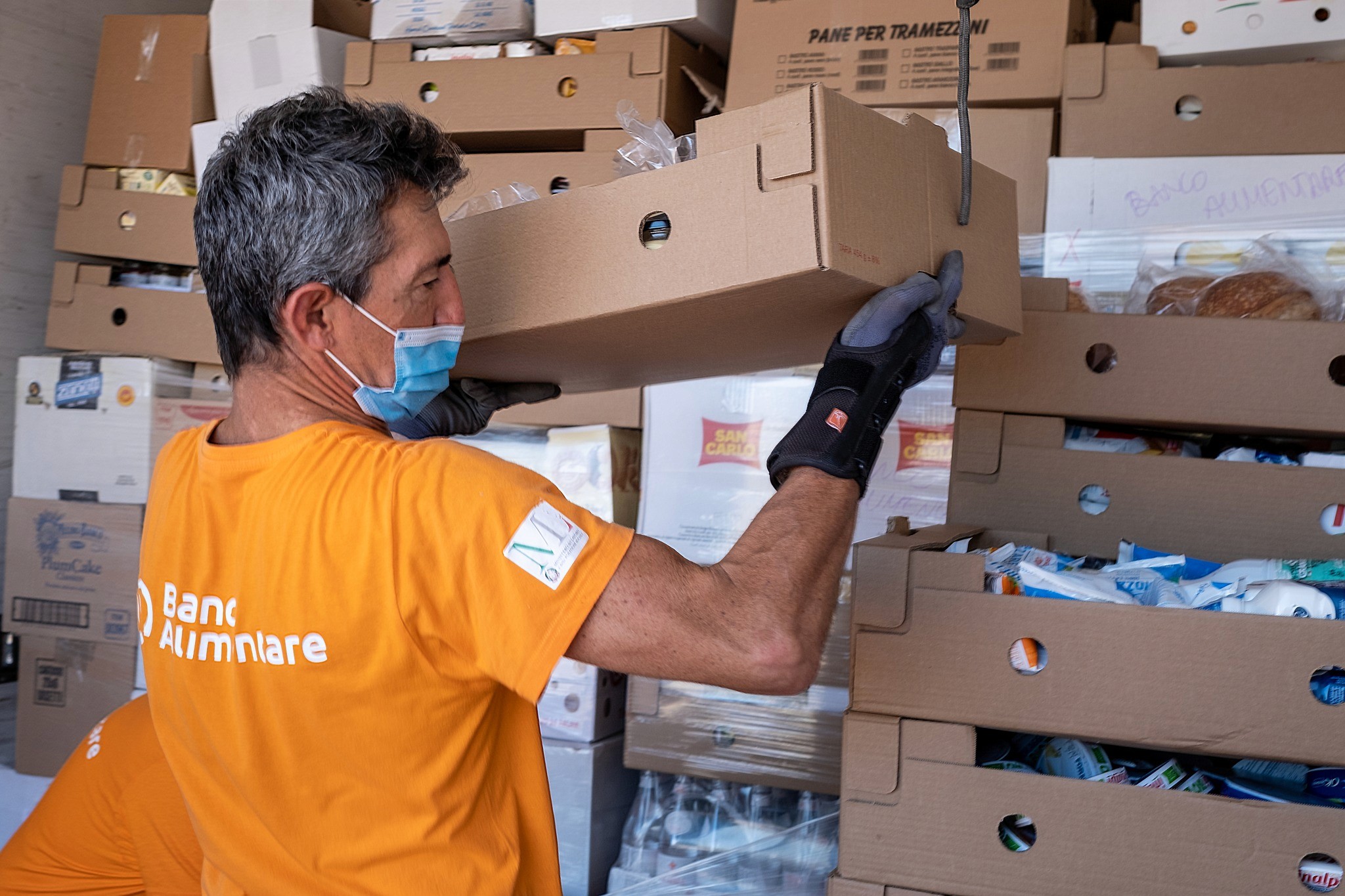
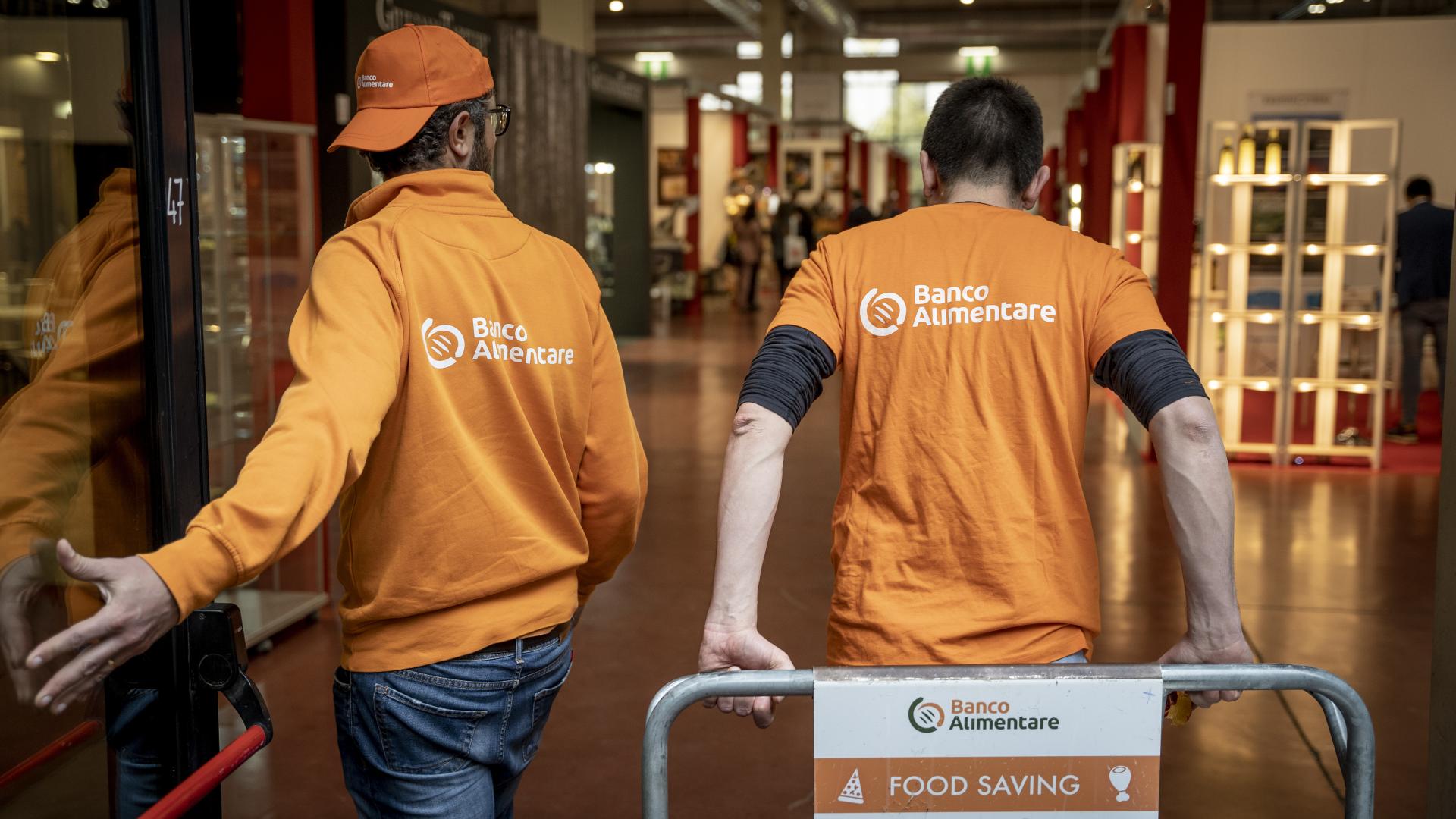
Banco Alimentare in Milan is the regional branch of the Italian Food Bank Network. It’s a nonprofit organization that collects surplus food from producers, supermarkets, restaurants, and school canteens, then redistributes it to charities and organizations that support people in need.
a little Story
Imagine a bustling food bank in Milan, at the heart of Italy’s fight against food waste and hunger. Banco Alimentare is a respected organization, known for its logistics and reach, yet behind the scenes, a persistent challenge threatens its mission: sustaining meaningful, long-term relationships with donor companies.
85% of large and 60% of medium-sized Italian food companies actively donate surplus food.
Despite this high awareness, Banco Alimentare’s connections with donors are fragile.
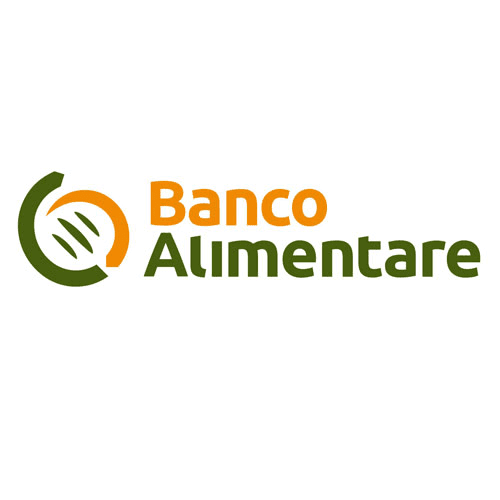
Each company typically assigns a single point of contact (SPOC) to manage donations. When that person leaves, the relationship often evaporates, forcing Banco Alimentare to start from scratch. There are no formal agreements, and the recognition offered—a certification—holds little weight in motivating ongoing commitment.
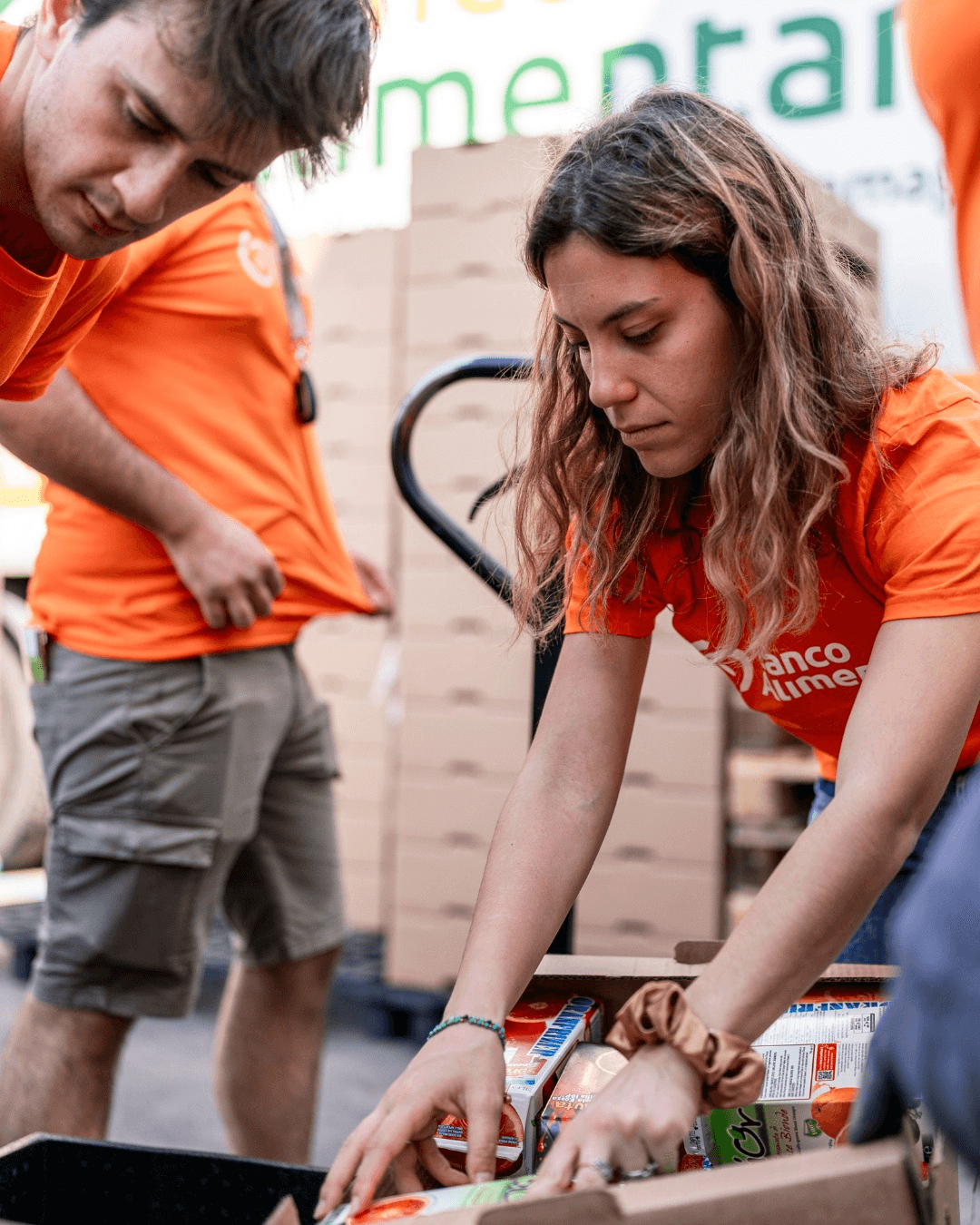
The food bank’s “Save and Care” community, intended to unite donors, lacks visibility and impact. As competition for surplus food grows, these unsustained relationships put the entire system at risk
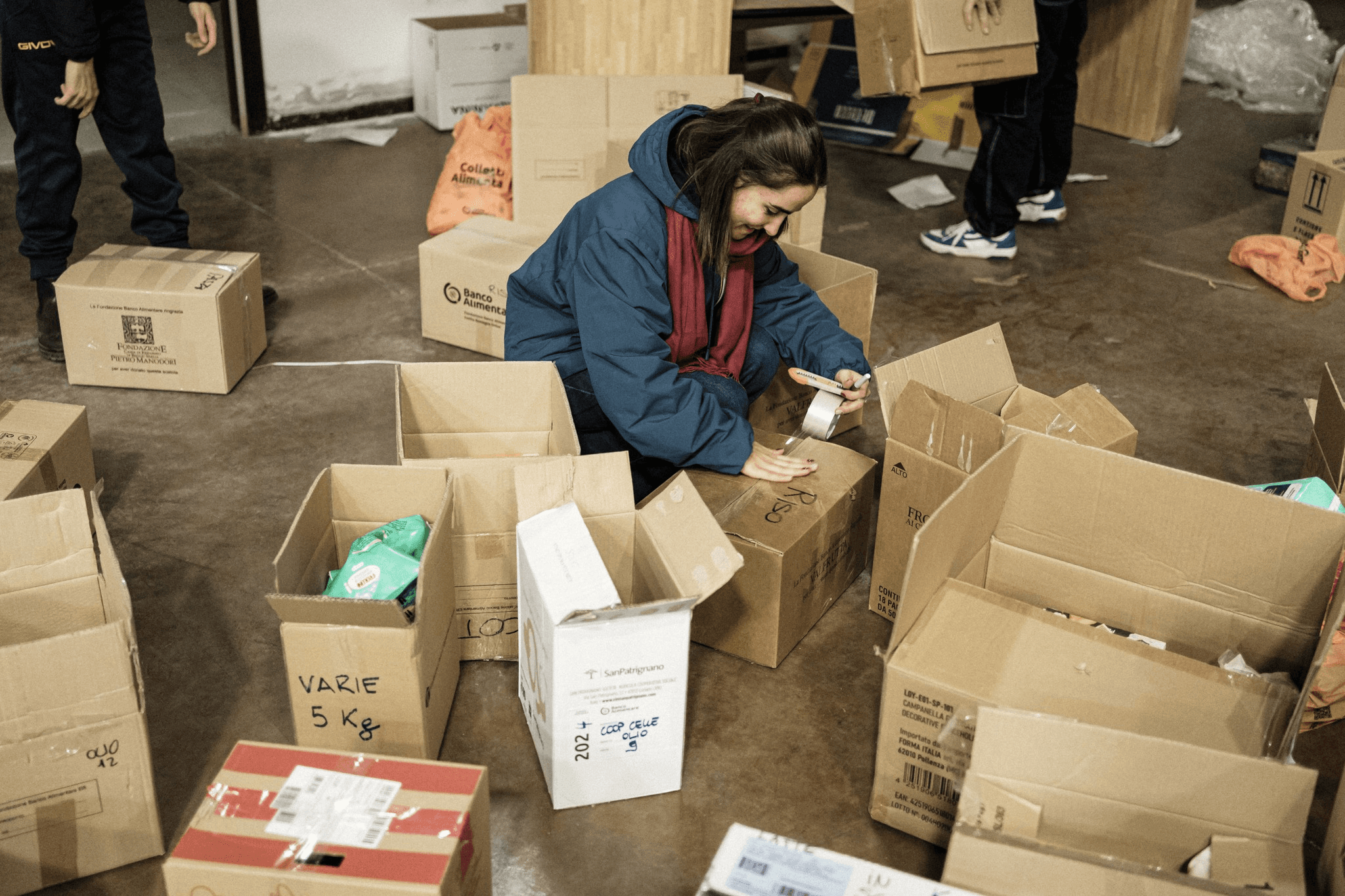
What if food donation wasn’t just a charitable afterthought, but a celebrated industry norm?
what we did
Reframing the Challenge
The original brief was straightforward:
Retain existing donor companies.
Attract new agri-food businesses to donate surplus food
But as our team dug deeper, we realized the real issue was cultural. Food donation was seen as a way to get rid of excess, not as a shared responsibility or a source of pride. Motivations varied wildly between companies, making it hard to create a unified approach.
We reframed the challenge:
How might we make food donation a norm, an act woven into the fabric of business, not just a box to tick?
what we did
Our Approach
Strategic Exploration and Ecosystem Mapping
I led the team in exploring multiple strategic directions, ensuring all possibilities were considered.
We used future back thinking to envision a preferable future for food donation in Italy, then mapped the steps needed to get there.
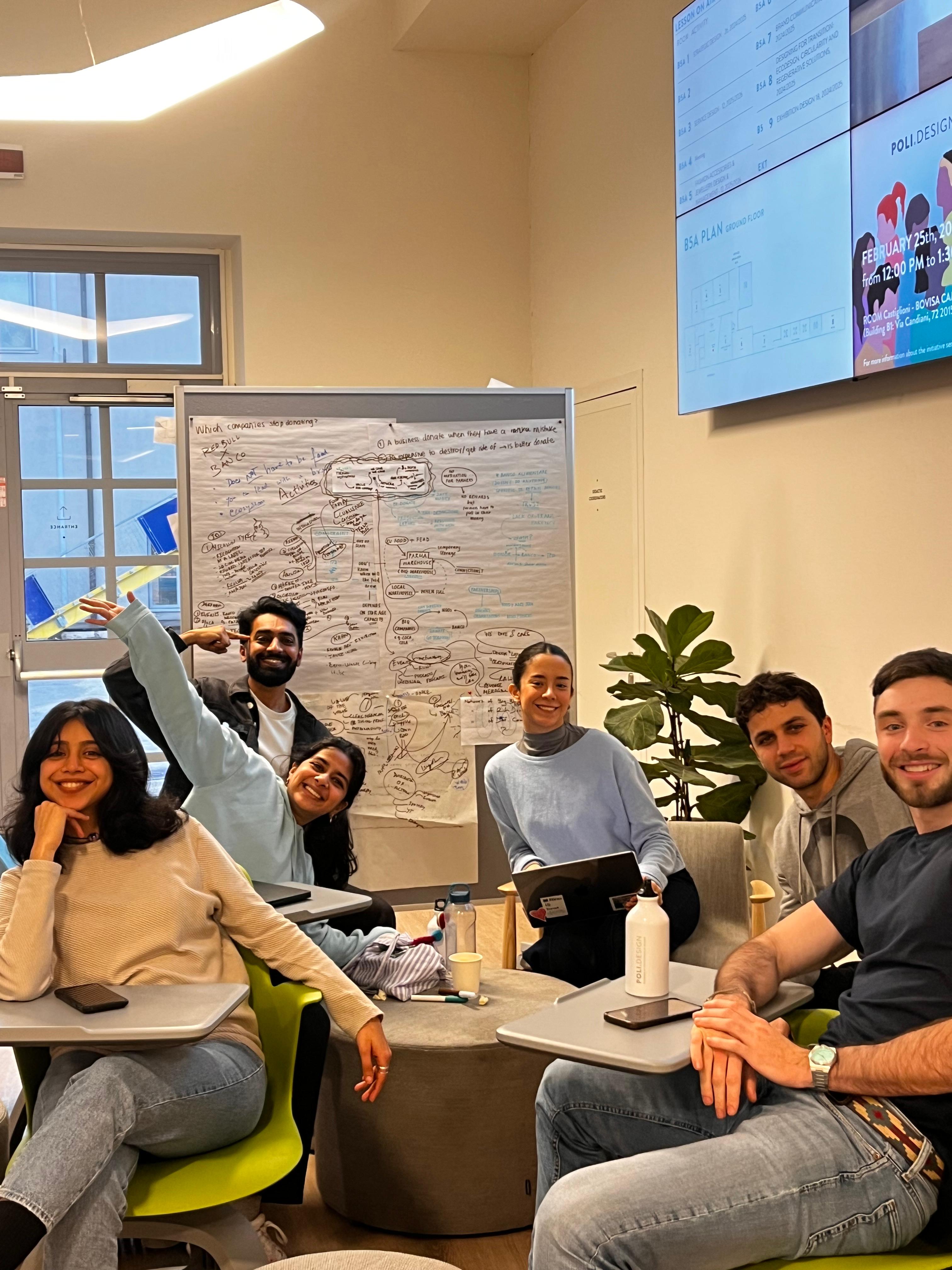
Through ecosystem mapping, we visualized every actor and interdependency, surfacing hidden barriers and opportunities.
Stakeholder Engagement and Insight Gathering
I crafted targeted questions for stakeholders, uncovering the nuanced motivations and pain points of donor companies
We discovered that Banco Alimentare already had a donor engagement program, but it wasn’t sustaining relationships, insight that shaped our solution to build on, not replace, existing efforts.
Bridging Short and Long term Solutions
Recognizing the need for immediate impact, I championed the delivery of a short-term internal solution while we worked on a transformative, long-term movement.
Implementation Planning
I played a key role in crafting the roadmap, helping the team and stakeholders visualize how our recommendations could evolve from pilot to full-scale movement.
solution
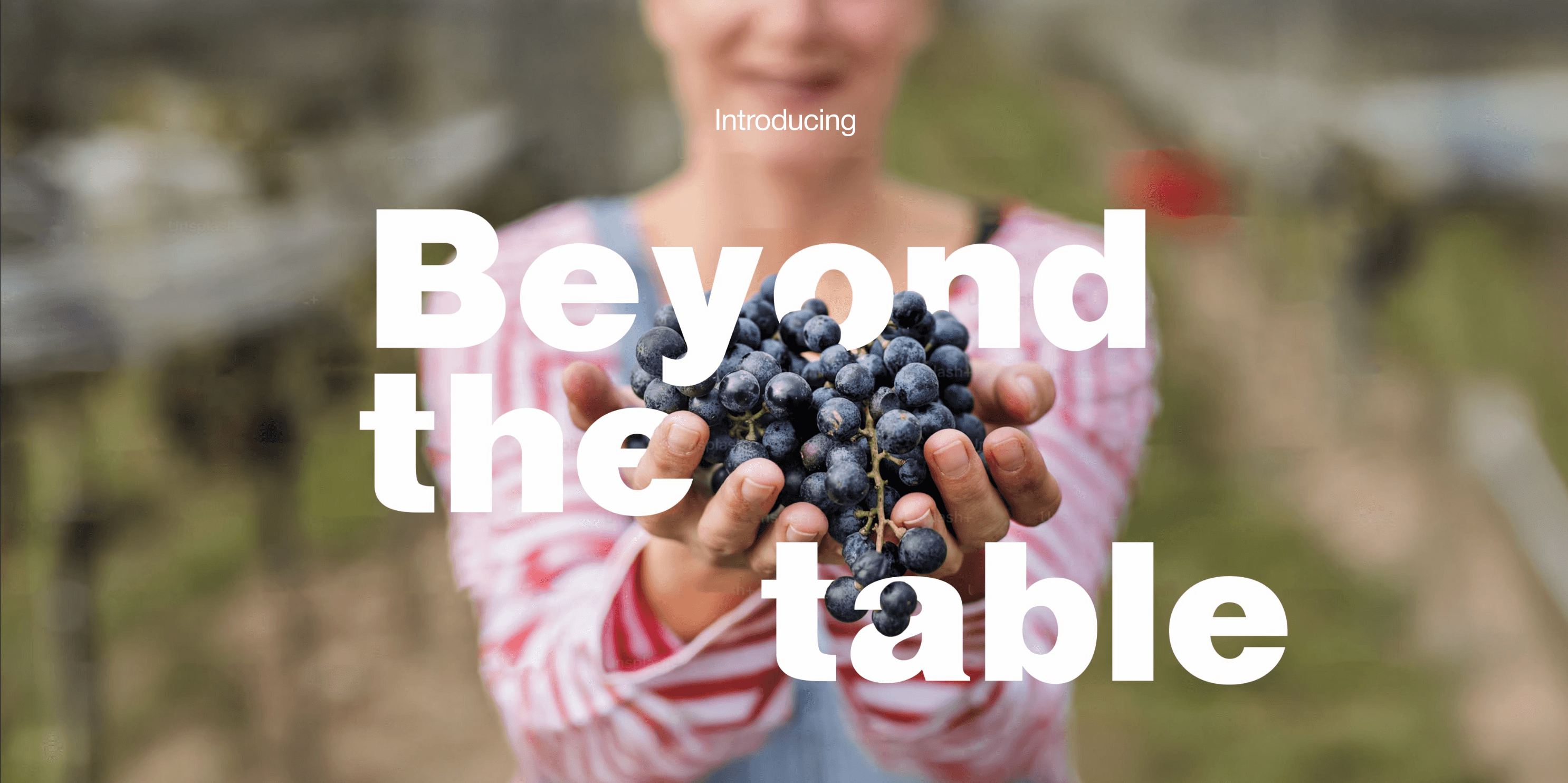
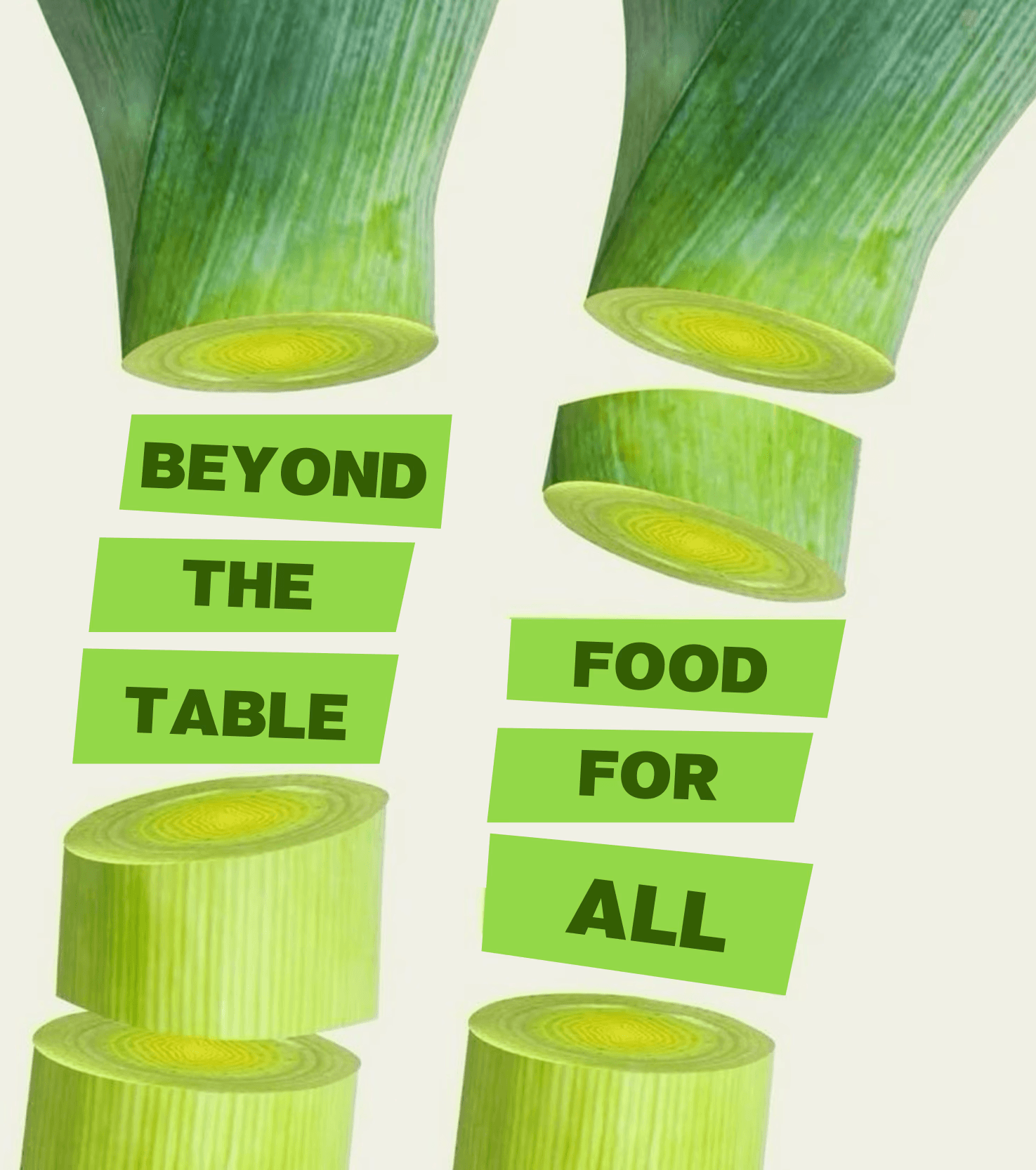
Beyond the Table Movement
Mission
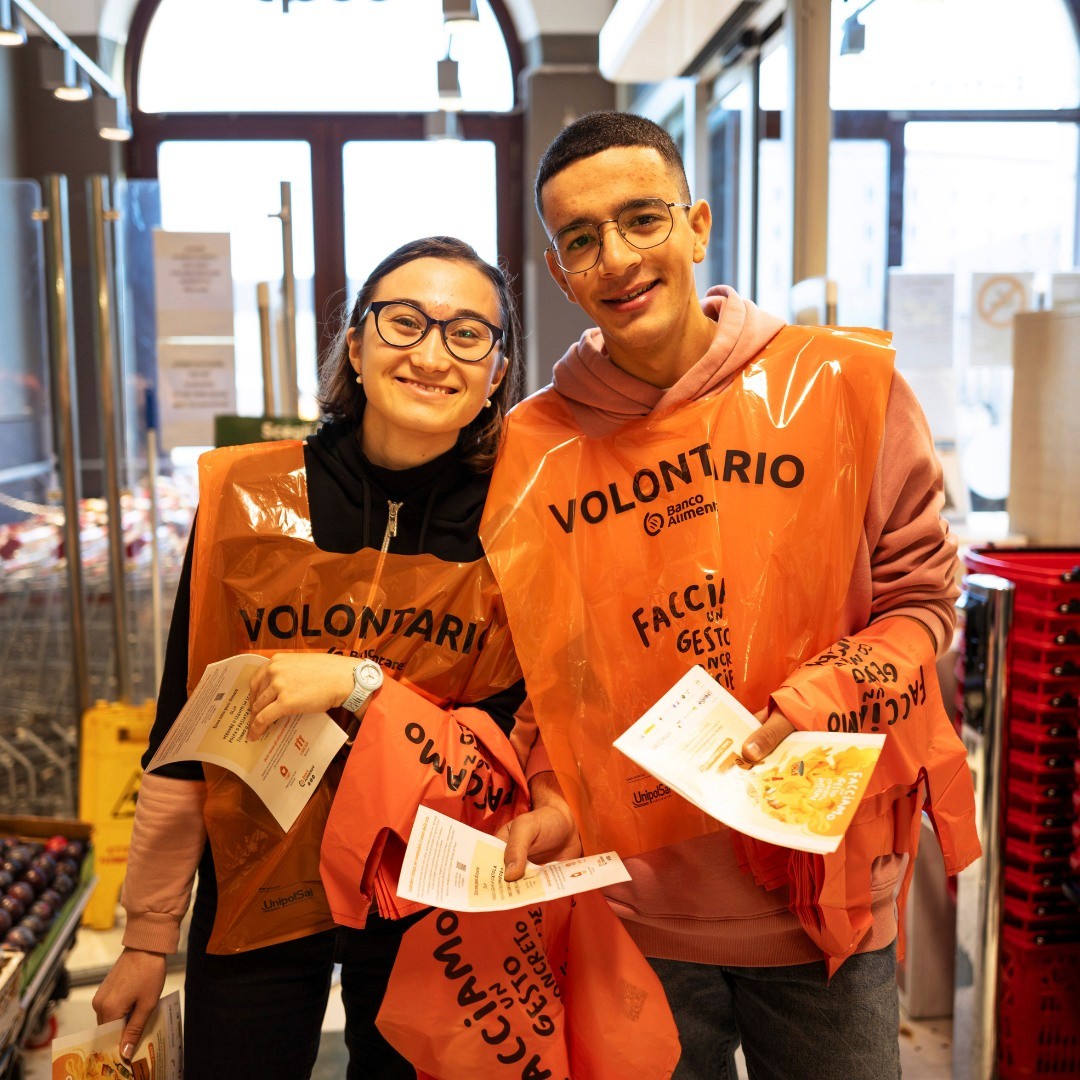
Transform food donation from charity to an industry-wide norm, recognizing and empowering organizations for their efforts.
Vision
A future where equitable access to food is a shared responsibility, and businesses actively build a responsible food system.
Manifesto
Beyond the Table is a movement redefining generosity as a shared responsibility. We don’t just redistribute surplus, we transform food into a resource for those in need, spark conversations, and inspire action. By uniting organizations and individuals, we create a future where no one goes hungry and no food is wasted.
solution
How it Works
Assessment & Certification
Donors are evaluated and recognized for their commitment, gaining a badge that sets them apart.
Engagement & Knowledge Sharing
Webinars, podcasts, and events foster a vibrant community.
Storytelling & Recognition
Success stories are shared, and donor efforts are celebrated publicly.
Ongoing Support
Consultants guide organizations, and a renewal system ensures relationships are maintained over time.
look away for 20 seconds, 20 meters away, our eyes need rest
IMPACT
Key Outcomes

For Donors
Enhanced brand perception, competitive advantage, and long-term growth.
For Banco Alimentare
Sustained relationships, reduced dependency on single contacts, and increased visibility.
For the Ecosystem
Stronger partnerships, more food saved, and a cultural shift toward responsible surplus management.
IMPACT
Strategic Roadmap
01
Awareness & Foundation
Build the movement’s identity, launch communication channels, and engage early adopters.
02
Piloting & Validation
Test the assessment with select companies, refine based on feedback, and integrate technology for tracking.
03
Scaling & Engagement
Open applications, expand events, and launch flagship initiatives to solidify the movement.
what did i do
Personal Contributions
Explored and evaluated multiple strategic directions.
Framed critical questions for stakeholders to ensure all perspectives were considered.
Balanced short- and long-term solutions to provide both immediate and lasting impact.
Crafted the implementation plan and visualized the ecosystem, ensuring no stakeholder was left behind.
Facilitated collaboration and consensus-building within a diverse, multidisciplinary team.
Reflection
This project taught me the power of systems thinking and the importance of addressing cultural mindsets, not just operational barriers.
By mapping the ecosystem and reframing the narrative, we unlocked new pathways for impact, transforming food donation from a necessity into a celebrated norm.
Anuja Kulkarni
© 2026. All Rights Reserved.